About EIROforum
It is the mission of EIROforum to combine the resources, facilities and expertise of its member organisations to support European science in reaching its full potential.
EIROforum simplifies and facilitates interactions with the European Commission and other organs of the European Union, national governments, industry, science teachers, students and journalists.
By combining international facilities and human resources, EIROforum exceeds the research potential of the individual organisations, achieving world-class scientific and technological excellence in interdisciplinary fields… Read more
EIROforum news
View all EIROforum news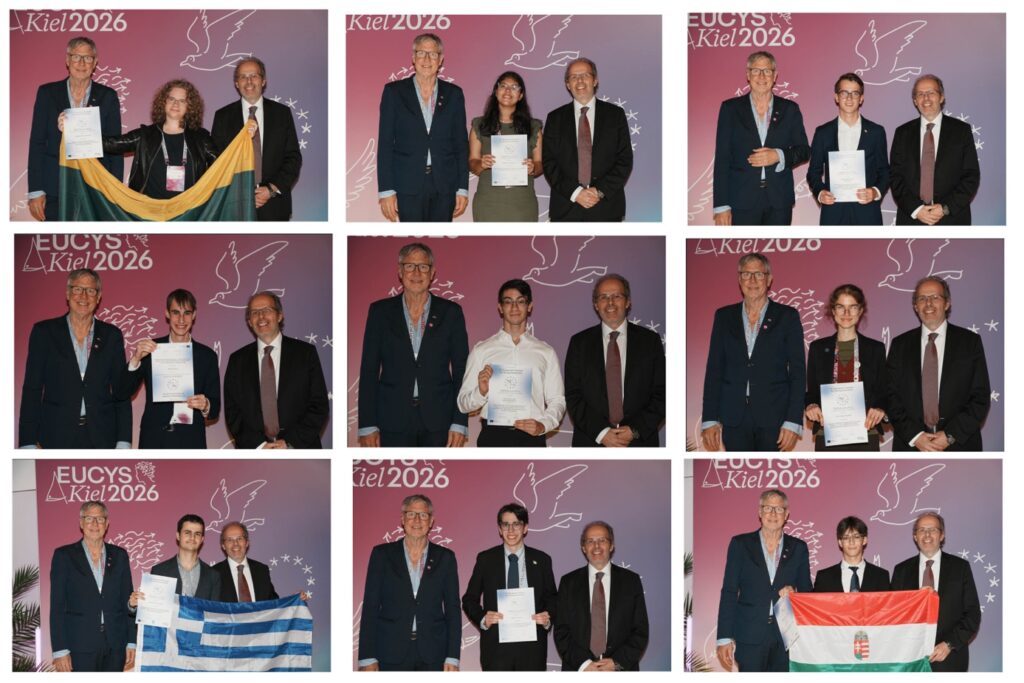
10 Nov 2026
EIROforum awards young talents at EUCYS 2026
EIROforum members awarded Special Donated Prizes at EUCYS 2026 in Kiel, giving outstanding young talents the chance to visit leading European science facilities.
1 Jul 2026
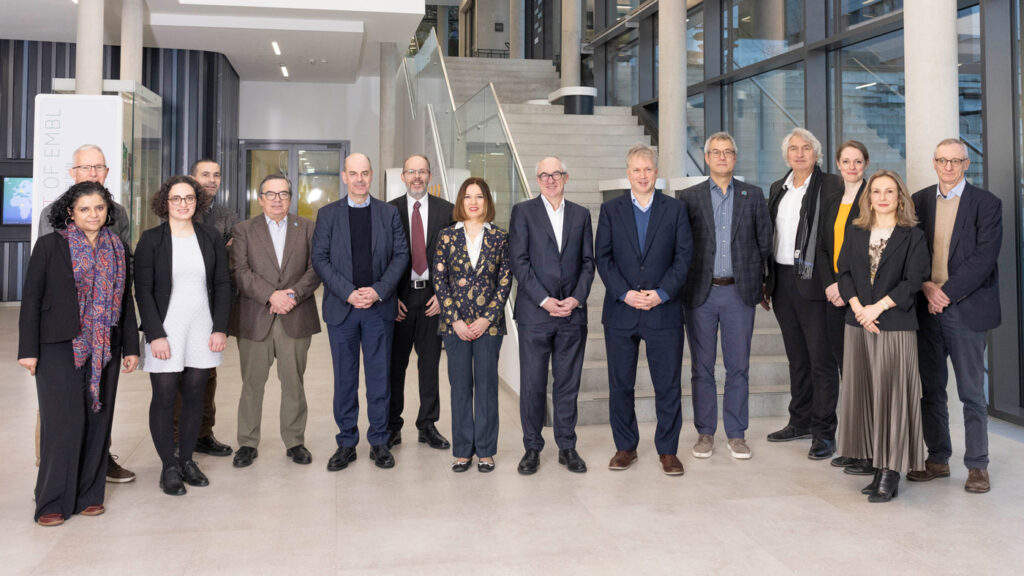
EUROfusion takes over the presidency of EIROforum
On 1 July 2026, EUROfusion assumes the presidency of EIROforum, which rotates annually between the forum's nine members.
7 Apr 2026
Statement on EU’s future Framework Programme for Research & Innovation
EIROforum publishes new statement on the future EU Framework Programme for Research and Innovation (FP10).
News from our members
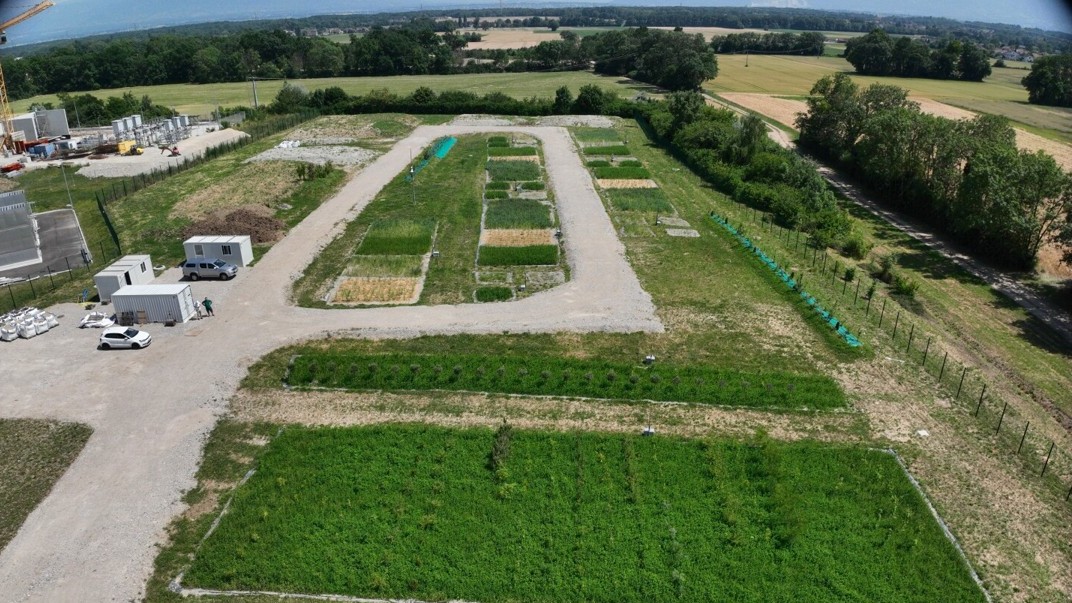
How AI-powered solutions could make research infrastructures more sustainable
Large-scale research infrastructures enable discoveries that would be impossible for institutes, lab...
CERN 

Opening new training paths for engineers in the life sciences
Four TechDev interns at EMBL Heidelberg, Hamburg, and Grenoble share their impressions from their time at EMBL, what they have learned, and how this experience…
EMBL 

New brain for Galileo
Twelve Galileo Second Generation (G2) satellites will join the current fleet in the coming years. They will deliver unprecedented positioning, navigation and timing capabilities.
ESA 
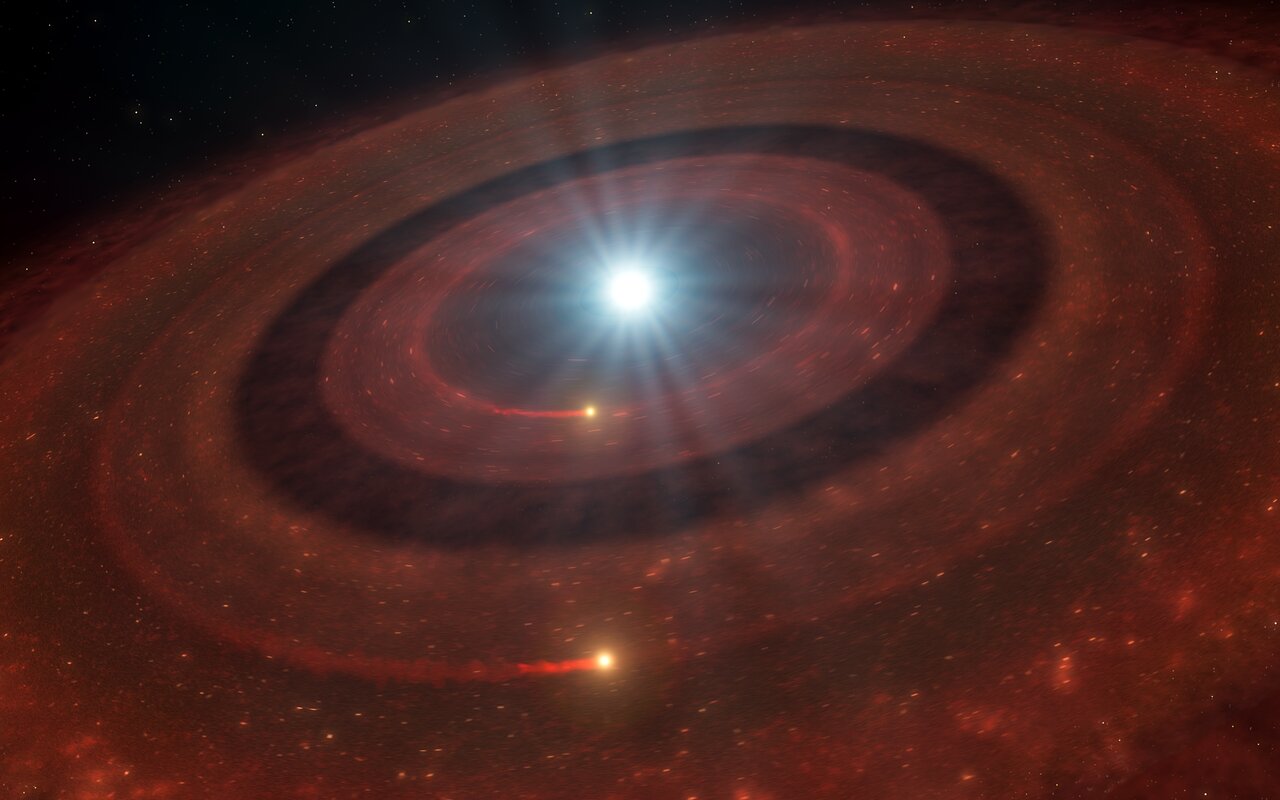
Dead star and planetary bodies: astronomers spot unique disc of debris that foretells Solar System’s future
Astronomers using the European Southern Observatory’s Very Large Telescope (ESO’s VLT) have found a rare disc of debris around a dead star that provides a…
ESO 
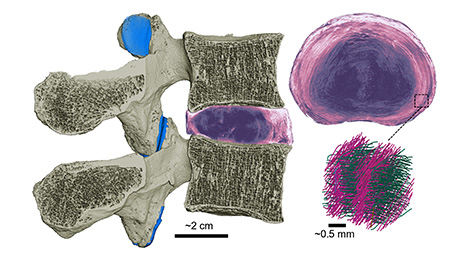
Scientists uncover how the spine's smallest structures help discs withstand everyday loads
New synchrotron imaging technology reveals how collagen fibres and molecules work together to absorb and distribute forces inside spinal discs, offering new insight into the…
ESRF 

ESTIA is ready for neutrons
ESS’s ESTIA instrument will explore the world of surfaces and buried interfaces, studying ultra-thin films in materials ranging from soaps to hard drives. ESTIA is…
ESS 

Europe sets its 2027 tokamak research programme: call open until 4 December
EUROfusion’s Tokamak Exploitation programme invites European researchers to join experiments, data analysis and modelling across six tokamaks, in preparation for JT-60SA and ITER. Call for…
EUROfusion 

User interview: watching proteins crystallize
New video from the series of interviews with users of the European XFEL
European XFEL 
Atomic order and disorder
Neutron diffractometry visualises tiny atomic motions in lithium compounds, the key to future battery technologies.
ILL